

Inflation doesn’t just make things expensive. It makes patience irrational.
In a healthy system, saving lets you wait. You can delay consumption until it actually makes sense. But when money loses value, waiting becomes costly.
That changes behavior. Not by force, but by incentive.
Inflation makes you overconsume.
I have previously discussed how bad money forces people to become investors. But how it changes our consumption patterns is perhaps an even bigger problem.
Consumption Becomes Reactive
If prices are expected to rise, you act earlier. Not because you need something, but because delaying consumption feels like losing. The system is designed to work this way. It depends on consumption to keep moving.
Consumption shifts from intentional to reactive. What looks like demand is often just a response to timing pressure.
Inflation turns time into a cost.
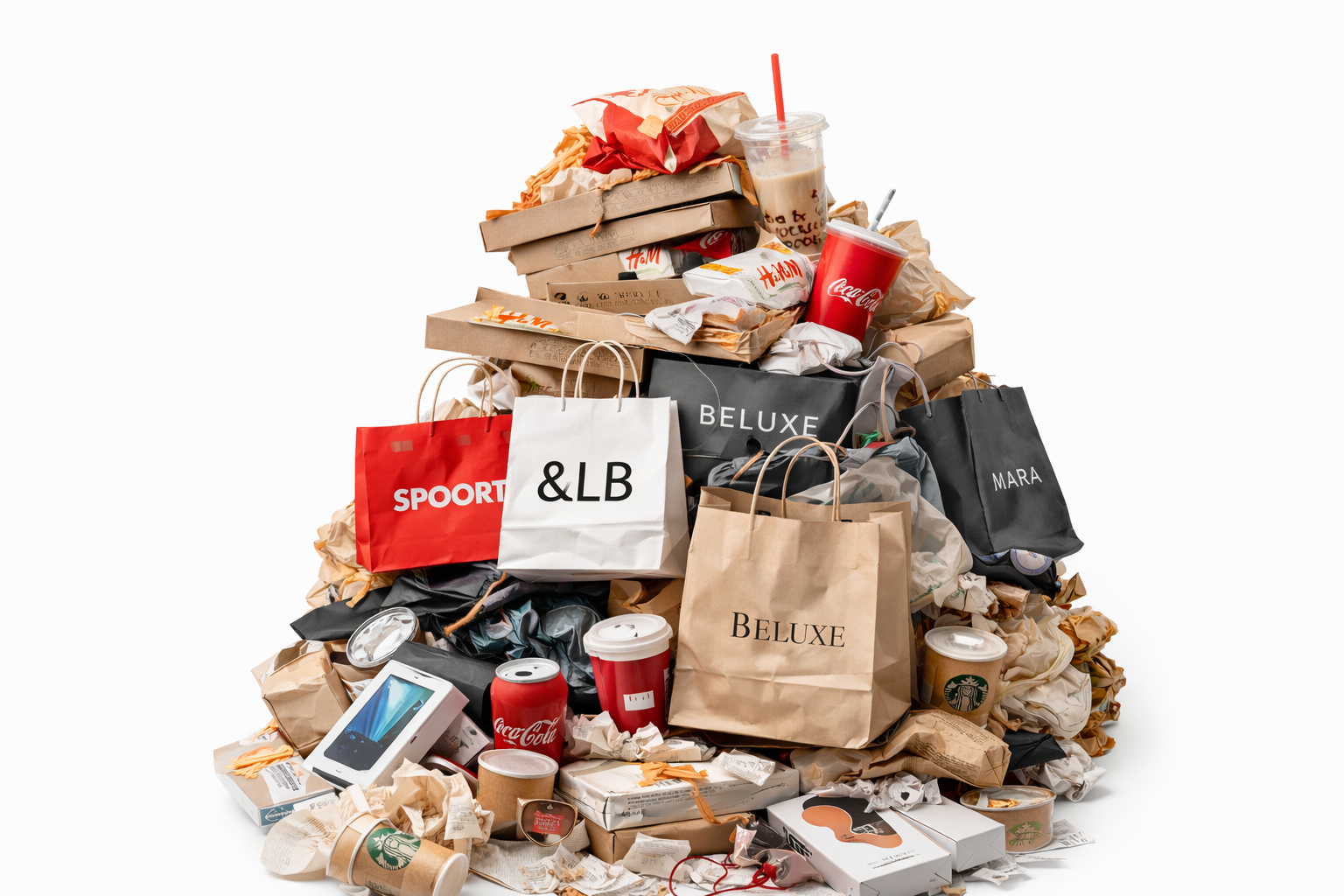
More Consumption, More Waste
A system that punishes saving will naturally reward spending. That leads to more production, more resource use, and more waste.
Not because people changed, but because incentives did.
When saving is penalized, consumption becomes the default.
The Hidden Cost
This doesn’t just affect what people buy, but how they think. Every decision becomes: buy now or risk paying more later.
That constant pressure creates stress.
Inflation adds a mental tax to every decision.
You buy things earlier than you need. Replace what still works. Not because you want to, but because waiting feels like a loss.
Restoring the Option to Wait
With sound money, waiting is no longer punished. Consumption becomes a choice again, not something you’re pushed into.
Fix the money, and time stops working against you.
Less urgency means lower time preference and more thoughtful consumption.